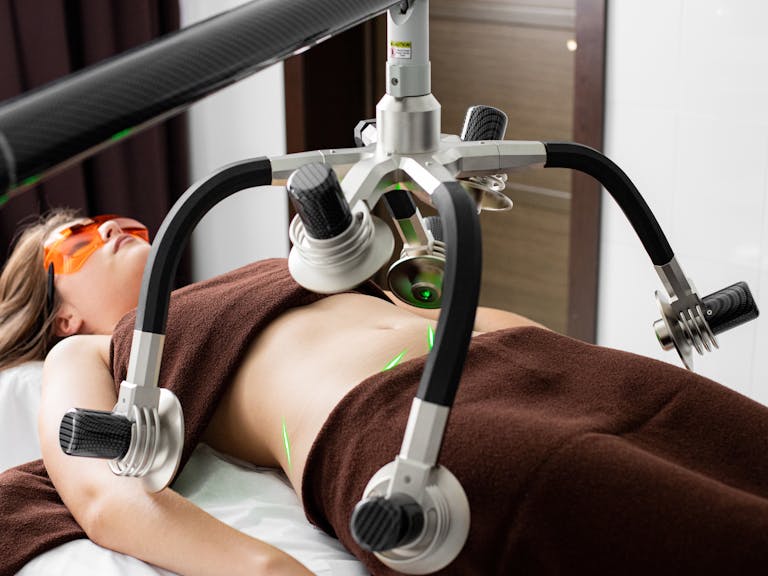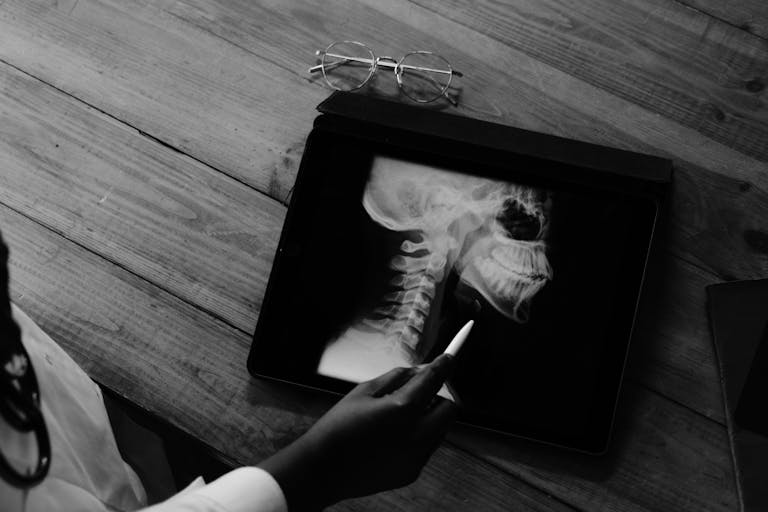
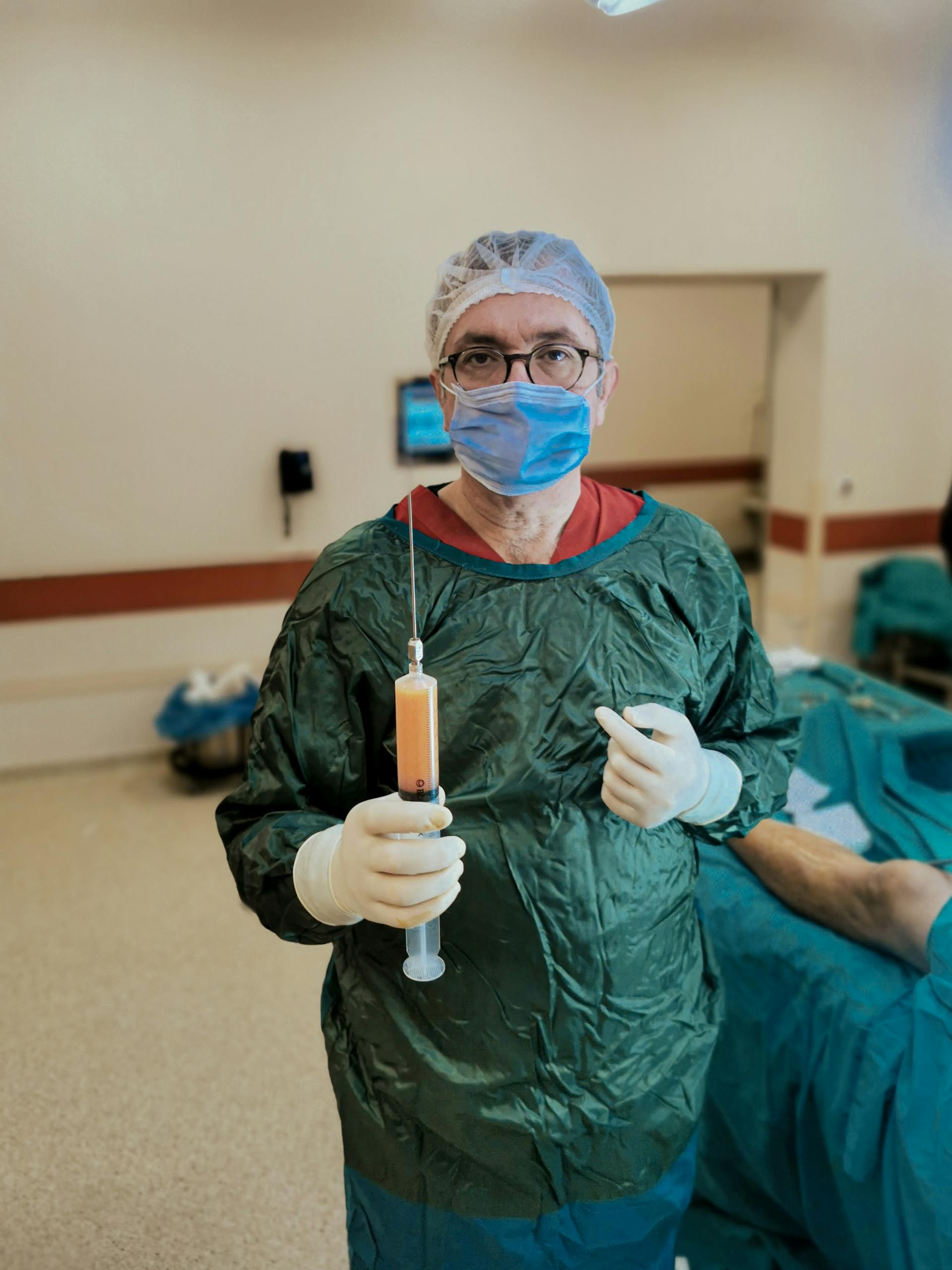
Liposuction is one of the most popular cosmetic procedures worldwide, offering individuals the chance to target stubborn fat that doesn’t respond to diet and exercise. While the procedure can help you achieve a more contoured and toned body, it’s essential to understand what’s involved before making the decision to undergo liposuction. In this post, we’ll explore the key things you should know about liposuction, from preparation to recovery, and what to expect during the process.
What is Liposuction?
Liposuction is a surgical procedure designed to remove excess fat from specific areas of the body, such as the abdomen, thighs, hips, arms, and love handles. It’s often used to sculpt the body and improve proportions, but it’s not a weight-loss solution. The goal is to remove localized fat deposits that are resistant to traditional weight loss methods.
Before the Procedure: What You Need to Know
Consultation
The first step in the process is a consultation with a qualified, board-certified plastic surgeon. During this meeting, your surgeon will evaluate your health, discuss your goals, and determine if liposuction is the right choice for you. You’ll also talk about which areas of the body you want to target and which type of liposuction technique is best suited for your needs.
Preparing for Surgery
In the weeks leading up to the surgery, your surgeon will provide specific instructions to ensure the best outcome. This may include:
Book A Consultation With Dr Jhon
Top-rated Plastic Surgeon For Breast Augmentation in Dubai


Installment Plan Available
- Avoiding certain medications, such as blood thinners, to reduce the risk of bleeding.
- Arranging for someone to drive you home after the procedure, as liposuction is typically performed under general anesthesia or local anesthesia with sedation.
- Fasting for several hours before surgery to prepare for anesthesia.
Realistic Expectations
Liposuction is not a magic solution for weight loss, and it won’t eliminate cellulite. It’s important to have realistic expectations about the results. While liposuction can significantly reshape your body, maintaining a healthy lifestyle afterward is crucial to preserving the results.
During the Procedure: What Happens?
Liposuction is typically performed on an outpatient basis, meaning you can go home the same day. Here’s what happens during the procedure:
- Anesthesia: Depending on the extent of the procedure, you may be given local anesthesia, general anesthesia, or IV sedation.
- Incisions: Small incisions are made in the targeted area where the surgeon will insert a thin tube (cannula) to break up and suction out fat.
- Fat Removal: The surgeon uses a back-and-forth motion with the cannula to loosen the fat cells and remove them from the body. The amount of fat removed will vary depending on your goals and the area being treated.
After the Procedure: Recovery and Results
Immediate Aftercare
After the procedure, you’ll be given compression garments to wear over the treated areas. These garments help reduce swelling and support your body as it heals. You may experience some discomfort, swelling, and bruising, which is normal. Your surgeon will prescribe pain medications to manage any pain and will provide instructions for at-home care.
Downtime
Recovery time varies depending on the extent of the procedure and the areas treated. Most patients can return to light activities within a few days but should avoid strenuous exercise for about 4 to 6 weeks. It’s important to follow your surgeon’s instructions for optimal healing.
Final Results
While you may notice initial results immediately after the procedure, it takes time for swelling to subside and the final contour to reveal itself. Most patients see full results within 3 to 6 months. The good news is that the fat cells removed during liposuction do not return, so as long as you maintain a healthy lifestyle, you should enjoy long-lasting results.
Is Liposuction Right for You?
Liposuction can be a life-changing procedure for those looking to eliminate stubborn fat and improve their body shape. However, it’s not suitable for everyone, and the best candidates are those who are at or near their ideal weight, have good skin elasticity, and are in good overall health.
Before making any decisions, be sure to consult with a board-certified plastic surgeon who can assess your goals and help you understand the potential risks and benefits of liposuction.